




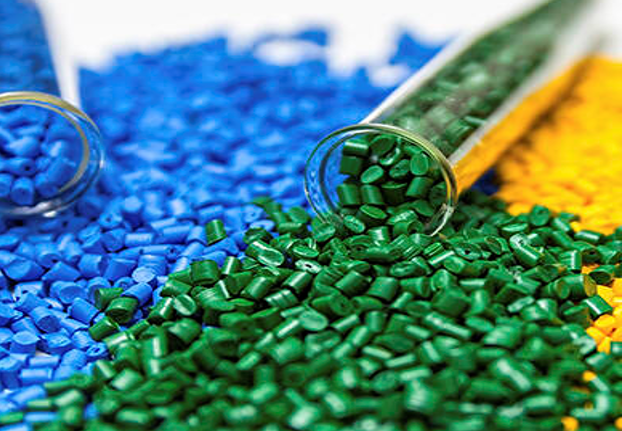
Poliamid Compound’s ( PA6, PA6.6, PA6.6/6 )
Polyamide (PA) compounds are used in the manufacture of plastic parts, primarily in the automotive, white goods, electrical-electronic, and industrial production sectors, due to their high mechanical strength, heat resistance, and abrasion resistance.
Polyamide 6 (PA6), Polyamide 6.6 (PA6.6), and Polyamide 6.6/6 copolymers are “compounded” with glass fiber, carbon fiber, mineral fillers, or impact resistance-enhancing additives according to their intended use to optimize their performance.
Polibütilen Tereftalat Compound’s (PBT)
Polybutylene Terephthalate (PBT) Compounds are mainly used in the automotive, electrical-electronic, white goods, and industrial production sectors due to their high mechanical strength, superior electrical insulation, chemical resistance, and dimensional stability against heat.
Polietilen Tereftalat Compound’S (PET)
Polyethylene terephthalate (PET) compounds are widely used in the automotive, electrical-electronic, industrial manufacturing, and packaging sectors to provide high mechanical strength, heat resistance, and dimensional stability. Unlike standard packaging PET, these engineering compounds are reinforced with glass fiber, carbon fiber, or mineral fillers to make them suitable for heavy industrial conditions
Polioksimetilen Compound’S (POM-C, POM-H)
Polyoxymethylene (POM) compounds are engineering plastics used as replacements for metals in precision engineering parts requiring high mechanical strength, low friction, and excellent dimensional stability. This material, also known as polyacetal or Delrin in the market, is divided into two main types: homopolymer (POM-H) and copolymer (POM-C), and has a very wide range of applications in industry.
Polikarbonat Compound’S (PC)
Polycarbonate (PC) compounds are widely used in the automotive, electrical-electronic, construction, medical, and defense industries due to their superior impact resistance, excellent light transmittance, heat resistance, and dimensional stability. Enriched with glass fiber, carbon fiber, flame retardants, or UV-resistant additives, these engineering plastics replace traditional glass and metals, finding a very wide range of applications in industry.
Poliolefin COMPOUND’S (PP-H, PP-C, PP,R, PE)
Polyolefin compounds (PP-H, PP-C, PP-R, and PE) are used in a very wide range of fields, from infrastructure installations to automotive, food packaging to industrial production, thanks to their high chemical resistance, low density, and easy processability. They are customized to the specific technical needs of each industry with the addition of mineral (calcite, talc), glass fiber, or impact resistance-enhancing additives (compound) to their formulations.
ACRYLIC COMPOUNDS ( PMMA, ASA, PMA)
Acrylic compounds (ASA, PMA, PMMA) are widely used in engineering applications requiring high light transmittance, superior resistance to UV rays, weather resistance, and aesthetic gloss. Developed as a lightweight and shatter-resistant alternative to glass, these polymers are the basic raw material for many sectors, from automotive to construction.
POLYMER MIXTURE AND ALLOY COMPOUNDS (PC/ABS, PET/PBT, PC/PBT, PA/ABS)
Polymer blends and alloys (compounds) are produced to combine the superior properties of two or more plastics in a single material.

INDASTRIALS B2B distribution acts as a bridge between manufacturers and other businesses. By arranging products in large quantities and making them available to other businesses with or without logistics, it makes reaching target markets much more efficient and faster.
THANK YOU
https://www.indastrials.com
E-Posta: info@indastrials.com